On August 31, 2012, a long filament of solar material that had been hovering in the sun's atmosphere, the corona, erupted out into space at 4:36 p.m. EDT. The coronal mass ejection, or CME, traveled at over 900 miles per second. The CME did not travel directly toward Earth, but did connect with Earth's magnetic environment, or magnetosphere, causing aurora to appear on the night of Monday, September 3.
NASA's Solar Dynamics Observatory (SDO) spacecraft took this image showing the Sun being partially blocked by Earth on September 6, 2012. Twice a year, for three weeks near the equinox, NASA's Solar Dynamics Observatory (SDO) moves into its eclipse season -- a time when Earth blocks its view of the sun for a period of time each day. The Solar Dynamics Observatory (SDO) is a NASA mission which will observe the Sun for over five years.
MESSENGER, NASA's spacecraft orbiting Mercury, captured this June 03, 2012 scene near the recently named crater Magritte. Shadowing helps define a striking "Mickey Mouse" resemblance, created by the accumulation of craters over Mercury's long geologic history.
Earth's planetary neighbor Venus passes across the face of the sun on June 5, 2012, seen here from the International Space Station. Expedition 31 crew members aboard the orbital outpost had cameras set up in several locations to record the rare event.
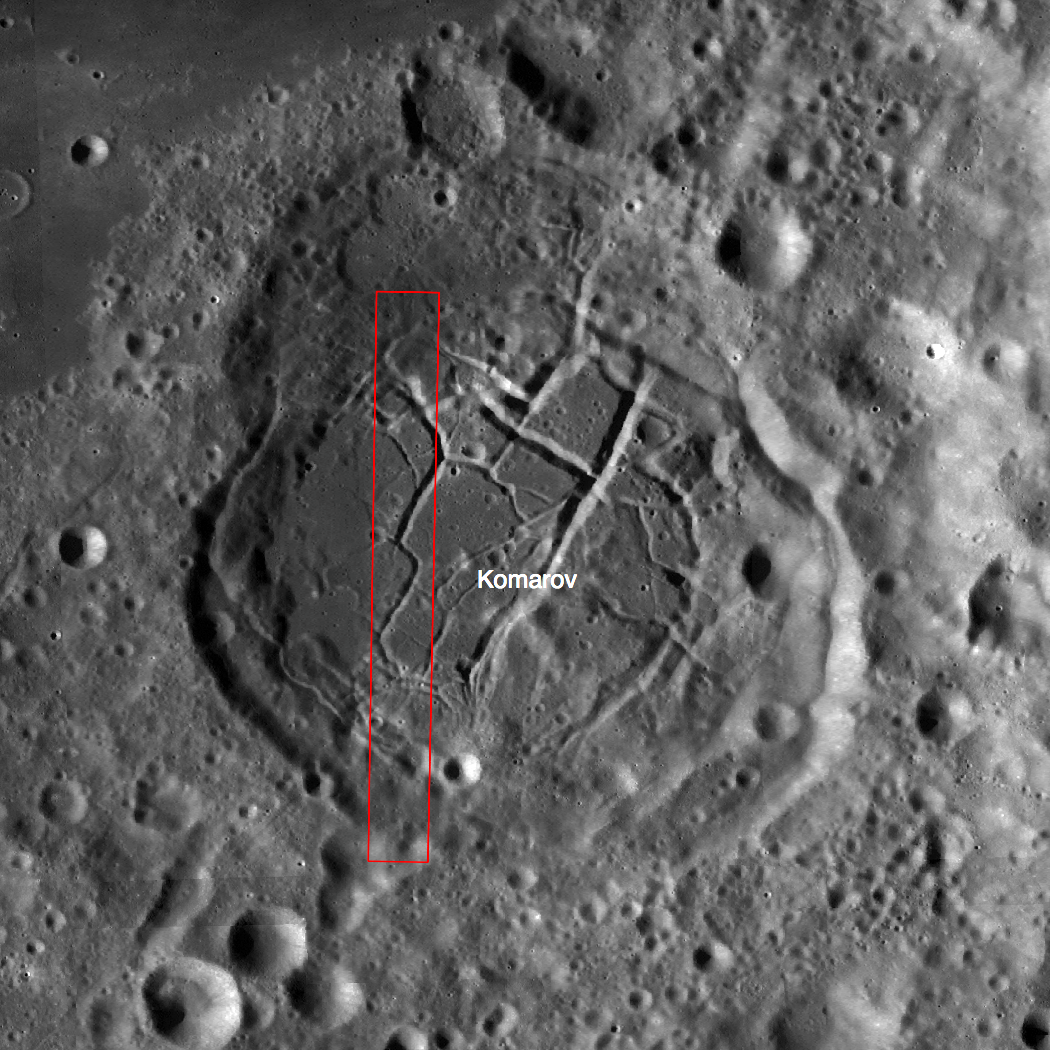
Seen by NASA's Lunar Reconnaissance Orbiter, a fresh crater on the Moon, splashing ejecta across the edge of a fracture in Komarov crater, on May 18, 2012.
Above the Earth, NASA astronaut Sunita Williams, Expedition 32 flight engineer, appears to touch the bright sun during the mission's third session of extravehicular activity (EVA) on September 5, 2012. During the six-hour, 28-minute spacewalk, Williams and Japan Aerospace Exploration Agency astronaut Aki Hoshide (visible in the reflections of Williams' helmet visor), flight engineer, completed the installation of a Main Bus Switching Unit (MBSU) that was hampered by a possible misalignment and damaged threads where a bolt must be placed. They also installed a camera on the International Space Station's robotic arm, Canadarm2.
Polar mesopheric clouds at the peak of their visibility, seen from the International Space Station, on June 13, 2012.
2012年6月13日,從國際太空站所攝得的正處於能見度高峰期的夜光雲。
Astronaut Andre Kuipers watches a bubble in a drop of water as he enjoys his last days of weightlessness aboard the International Space Station, on June 24, 2012.
The view taken from a mounted camera on the International Space Station, from approximately 240 miles above Earth. A total of 47 images were used to create the composite.
說一下翻譯交流的小故事。我在網路上看到這篇以圖片為主的文章,深深被當中的圖片所吸引,但仔細閱讀英文說明仍是被一堆專有名詞與因不具這個領域的基本專業知識所阻礙,於是就把腦筋動到光餘老師。我想全部看懂說明,也非常想知道光餘老師如何處理這些專有名詞,跟他說明我的意思後,他大方答應了!同時與其自己享用知識,不如分享出去,讓有求知慾、有耐心的人也能看到,於是就放到我的部落格。我們多次討論幾個翻譯問題,像是第五圖新的月球隕石坑,為了解決fracture的中文翻譯,以及讓我有清楚的圖像,光餘老師找了不少資料,這種把細節弄清楚的精神,讓人佩服!另外我們對第六圖的英文說明裡“appears to touch”多所討論,這麼簡單的英文為何要討論?因為原作者書寫的對象是具有天文知識的人與天文專家學者,所以省略很多。appears to touch是不科學的形容,但能表現照片的意思。實際狀況是,從太空艙內到太空艙外是非常危險的行動,太空人整個暴露在沒有過濾、強烈致命的太陽光,所以他是完全置身在強烈的日光,而非似乎碰觸強烈的日光。為了解決實際的危險與照片所表現的趣味,於是就翻成「似乎正在用手指碰觸艙外強烈的日光」。認真討論讓我受益良多,感謝光餘老師!